
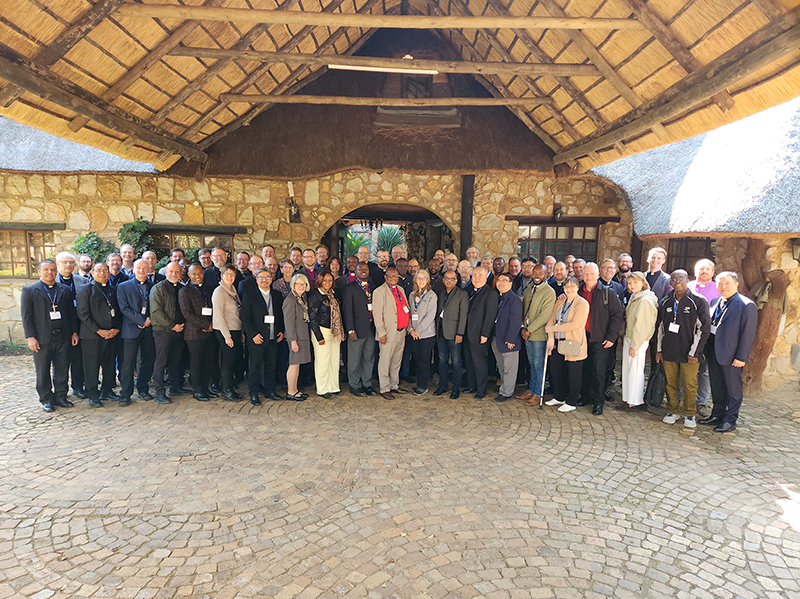
SOUTH AFRICA – The third morning of the International Lutheran Council’s (ILC) 2026 World Seminaries Conference saw representatives from each of the ILC’s world regions present to the wider assembly. The reports arose from regional meetings held earlier in the week.
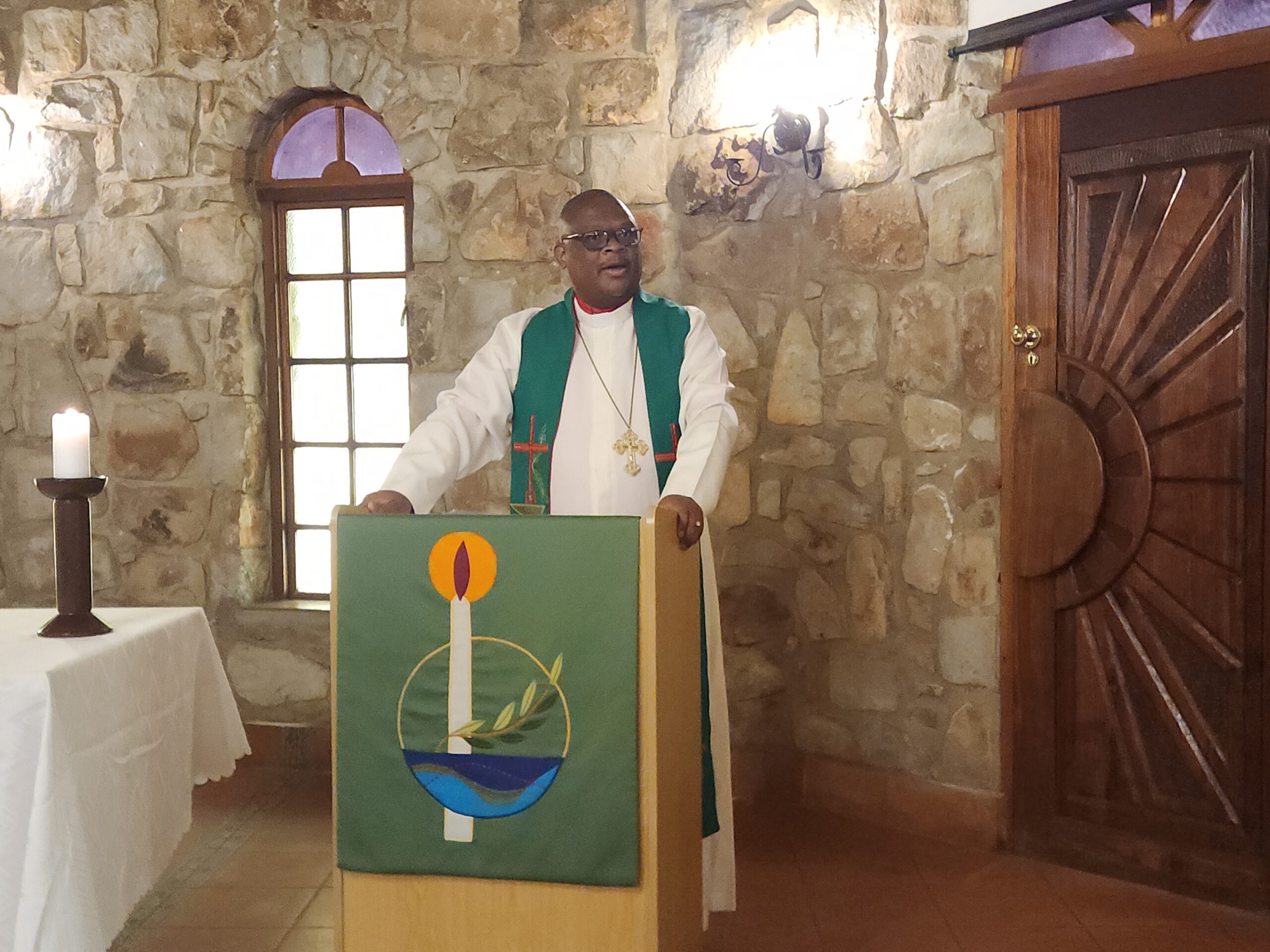
The day began with a service of Responsive Prayer, at which Deputy Bishop Boss Sebeelo of the Lutheran Church in Southern Africa (LCSA) preached.
The first region to report to the assembly was North America, with Rev. Dr. Roland Ziegler of Concordia Theological Seminary (Fort Wayne, Indiana) speaking on behalf of the group. Dr. Ziegler highlighted the current level of cooperation and contact between seminaries in his region, while noting that additional meetings between the leadership of ILC seminaries in North America would be valuable. He also spent much of his time discussing the challenge of generative AI for seminary education today, suggesting that sharing policies on this issue between ILC churches could be helpful.
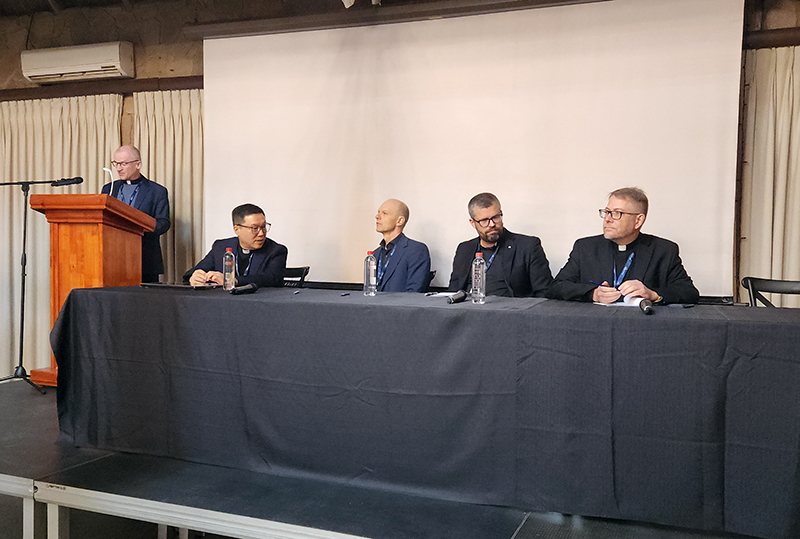
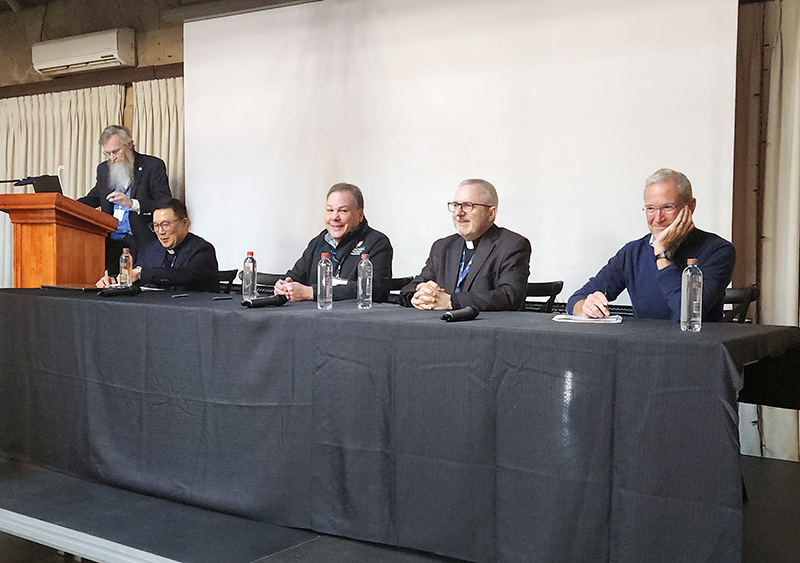
The European Region reported next, with comments from several representatives. Prof. Dr. Armin Wenz of the Lutherische Theologische Hochschule (Oberursel, Germany) introduced the region’s report, followed by Rev. Dr. Daniel Johansson of the Lutheran School of Theology (Gothenburg, Sweden) who used his institution’s cooperation with institutions in Latvia, Fort Wayne, Russia, and Ethiopia as an example of how ILC seminaries can work together.
Rev. Sakarias Ingolfsson (Norway and Iceland) spoke about the work of his church’s Ad Fontes program in Norway, noting how small schools like his own would benefit from closer collaboration between ILC seminaries. To address this need, the European Region intends to develop a list of professors and instructors, along with their languages, who would be willing to serve as guest instructors at other institutions. Plenary conversation later suggested similar ideas would be helpful for many regions.
Rev. Dr. Alexey Streltsov of the Lutheran Theological Seminary (Novosibirsk, Russia) noted plans to develop regular meetings between representatives of ILC theological institutions in Europe. The hope is that different institutions could host these gatherings each time, and that the discussions would allow for more in depth debate and discussion
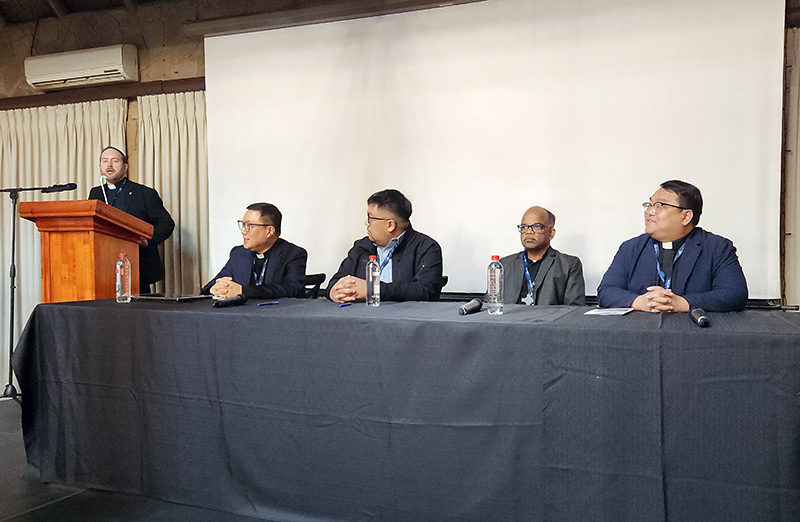
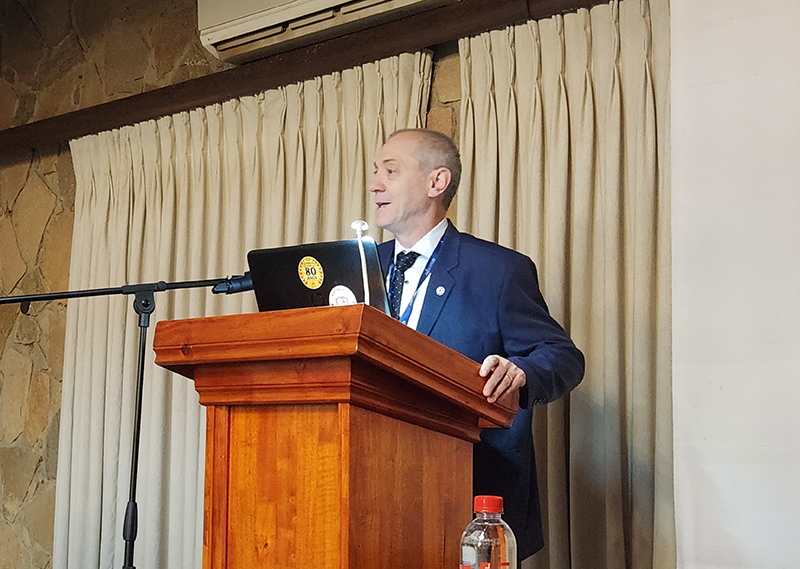
The report from the Asian Region was given by Rev. Michael Prenzler of Lutheran Mission–Australia. After noting the current opportunities and challenges facing ILC theological institutions in the region, he noted plans to begin holding regular online meetings to foster greater communication and cooperation between seminaries in Asia, as a complement to in-person international gatherings like the World Seminaries Conference.
The Latin American Region was represented by Rev. Dr. Sergio Schelske of Seminario Concordia (Jose Leon Suarez, Argentina). He noted that a major focus for seminaries in Latin America at present is planning for the 500th anniversary of Luther’s Catechisms in 2029 and the Augsburg Confession in 2030. To that end, the seminaries are discussing possible areas of cooperation to mark the event, including developing video resources, Bible studies, and a special issue of the Argentinian church’s theological journal Revista Teológica; holding virtual region-wide conferences; and creating traveling exhibitions, among other ideas.
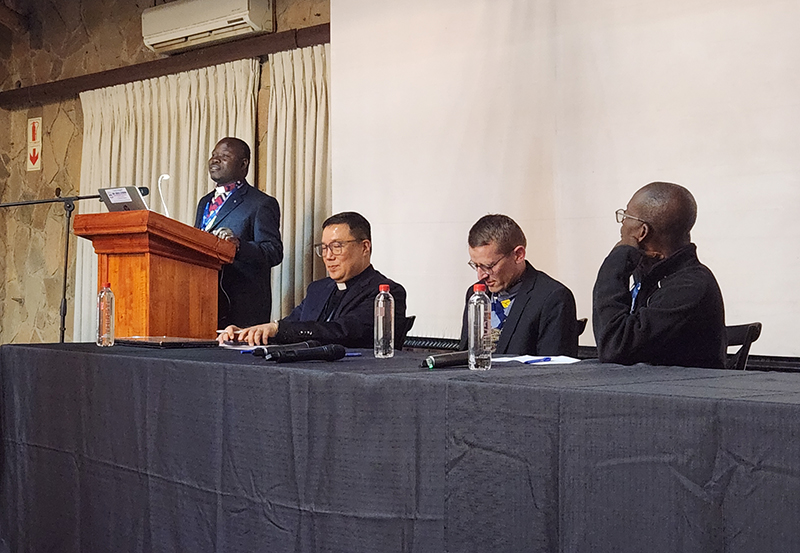
The African Region’s report was presented by Rev. Peter Maganda of the Lutheran Theological College Uganda (Jinja, Uganda). He noted that accreditation continues to be a challenge for African theological institutions but that for some—in Tanzania and Uganda, for example—progress is being made. He also noted the opportunities and challenges related to French seminary education in the region. Rev. Dr. Ebenezer Boafo of the Lutheran Theological Seminary Ghana (Accra, Ghana) also spoke, noting the region’s need for more resources written in easily-accessible English to assist students whose first language is not English.
Commemoration of the Augsburg Confession
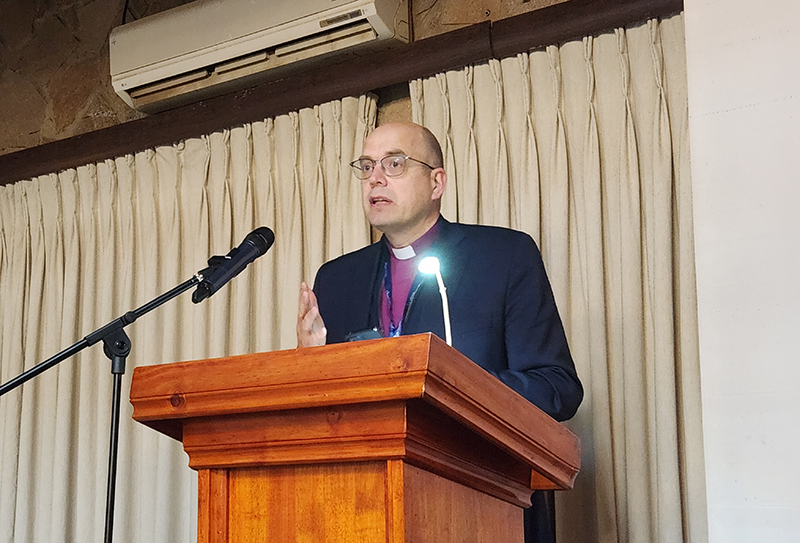
ILC Chairman Juhana Pohjola also spoke in the morning, noting the Commemoration of the Augsburg Confession. He reported on the ecumenical discussions taking place between ILC Lutherans and Roman Catholics through the Augustana Working Group (AWG).
He noted that the AWG hopes to produce an academic book which brings together Lutheran and Catholic essays addressing the various subjects discussed by the working group. The book will be published in both German and English, and hopefully other languages.
He encouraged ILC seminaries to study the work once it is made available, in the hopes that it will not only provide insight into Lutheran-Catholic relations but also enrich our own mutual discussions within the ILC.
———————
For more news from the ILC’s 2026 World Seminaries Conference, click here.
 RSS Feed