By Mathew Block

Ethiopian Evangelical Church Mekane Yesus and the LCMS announce formal discussions

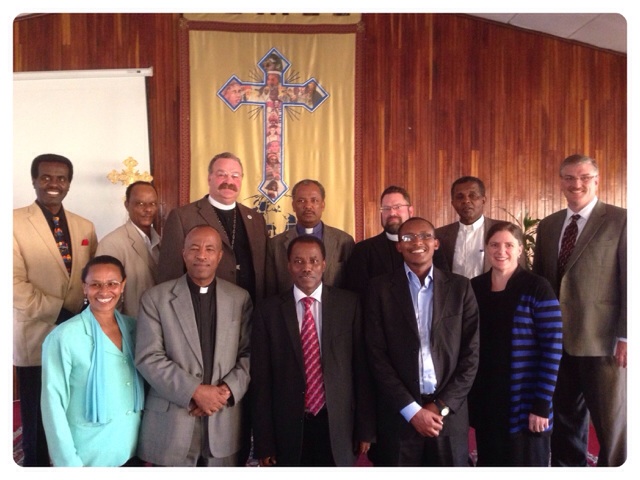
EECMY and LCMS leaders, including President Harrison (left of cross banner) and President Idosa (right of cross banner) meet in Addis Ababa, Ethiopia.

EECMY and LCMS leaders—including LCMS President Harrison (left of cross banner) and EECMY President Idosa (right of cross banner)—meet in Addis Ababa, Ethiopia.

ST. LOUIS, Missouri – Representatives and leaders from the Ethiopian Evangelical Church Mekane Yesus (EECMY) and The Lutheran Church—Missouri Synod (LCMS) met at the Mekane Yesus Seminary, the EECMY headquarters, and the Gudina Tumsa Wholistic Training Center in Addis Ababa, Ethiopia on January 23-26 to discuss the relationship between the two church bodies.

Representatives at the meetings included Rev. Dr. Wakseyoum Idosa, (President of the EECMY); Rev. Dr. Berhanu Ofgaa (General Secretary of EECMY); Rev. Dr. Matthew C. Harrison (President of the LCMS); Rev. Dr. Albert B. Collver (LCMS Director of Church Relations and Regional Operations); and LCMS missionaries Rev. Dr. Carl Rockrohr (Dean of the School of Theology at Mekane Yesus Seminary) and Deaconess Dr. Deborah Rockrohr.

Although the churches have diverse histories and developed in different contexts, the EECMY and the LCMS have discovered that both church bodies believe that the Holy Scriptures are the Word of God and the only source and infallible norm of all Church doctrine and practice. Both churches also subscribe to the Lutheran Confessions.

Article 2 of the EECMY constitution states the following: “The Holy Scriptures of the Old and the New Testaments are the Holy Word of God and the only source and infallible norm of all Church doctrine and practice; the Church adheres to the Apostles’ Creed, the Nicene Creed, and the Athanasian Creed …; the Church sees in the Unaltered Augsburg Confession, which was worded by the Church Reformers, as well as in Luther’s Catechisms, a pure exposition of the Word of God.”

Article 2 of the LCMS constitution states: “The Synod, and every member of Synod, accepts without reservation: The Scriptures of the Old and the New Testament as the written Word of God and the only rule and norm of faith and of practice; all the Symbolical Books of the Evangelical Lutheran Church as a true and unadulterated statement and exposition of the Word of God, to wit: the three Ecumenical Creeds (the Apostles’ Creed, the Nicene Creed, the Athanasian Creed), the Unaltered Augsburg Confession, the Apology of the Augsburg Confession, the Smalcald Articles, the Large Catechism of Luther, the Small Catechism of Luther, and the Formula of Concord.”

Although the two church bodies recognize they have differences in doctrine and practice in certain specific areas, both believe that the common confession they share about the Holy Scriptures and acceptance of the ecumenical creeds, the unaltered Augsburg Confession, and the Small and Large Catechisms justifies, even demands, that the two churches engage in more formal discussion regarding areas of agreement and disagreement.

As an outcome of the meeting, the EECMY and the LCMS agreed to appoint a three-member team from each church body, along with the church bodies’ respective presidents, to begin formal doctrinal discussions. This six-person team, plus the two church body presidents, will begin doctrinal discussions within the next nine months and have the authority to form other ad hoc committees for particular topics as needed.

President Idosa said he hopes that, “through the guidance of the Holy Spirit and the study of the Holy Scriptures, both church bodies would come closer to each other.”

President Harrison said: “Contact between our church bodies began almost a decade ago. We have been tremendously encouraged by Mekane Yesus’ public confession of the Holy Scriptures regarding issues of sexuality. Their zeal in outreach is something the Missouri Synod can learn from. I am glad that we have come by God’s grace to this moment of serious dialogue.”

While the church bodies engage in dialogue, both will look for areas where they can mutually support one another.

The EECMY was formed in 1959 as various synods started by several different mission societies merged into one church. In the 1970s, the EECMY developed the theme “Serving the Whole Person,” now often quoted and referred to as holistic ministry. This has been a guiding principle for all evangelistic or developmental church work. Beginning with 20,000 members in 1959, the EECMY has grown to 6.35 million members.

The Lutheran Church—Missouri Synod, founded in 1847, is a biblical, confessional, witness-oriented Christian denomination with 2.3 million members – 600,000 households – in 6,200 congregations. Through acts of witness and mercy, the church carries out its mission worldwide to make known the love of Jesus Christ.

———————
LCMS meets with ELS, WELS representatives

wels-els-lcmsTUCSON, ARIZONA – Representatives from The Lutheran Church—Missouri Synod (LCMS), the Evangelical Lutheran Synod (ELS), and the Wisconsin Evangelical Lutheran Synod (WELS) met for three days of meetings in December 2013 in Tucson, Arizona, in keeping with the encouragement given by the 2013 conventions of both WELS and the LCMS.
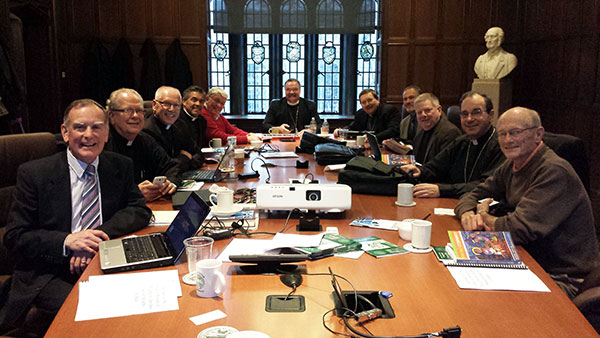
The meeting—a follow-up to a similar meeting held in December 2012—was intended as an opportunity for informal discussions to clarify doctrinal positions and to gain a better understanding of current situations in each church body. While those who were at the meeting held various leadership positions in ELS, WELS, and the LCMS, these talks did not take place among the churches’ constitutionally established bodies for formal doctrinal discussions. No decisions were made and no formal declarations were adopted.

The major topic for discussion was Church and Ministry. Participants gained a better understanding of the doctrinal positions each synod holds when it comes to the definition of “the Church,” and also had the opportunity to discuss in some detail the perceptions and understandings of the public ministry. The talks helped to clarify some issues, remove some misunderstandings, and shed light on the various terminology used in the three synods.

The talks were cordial and beneficial. All involved are committed to striving for a better understanding of where there is agreement and where genuine differences remain. The group agreed to hold another meeting in the coming year.

The Lutheran Church—Missouri Synod is a member church of the International Lutheran Council and has approximately 2.2 million members. The Wisconsin Evangelical Lutheran Synod (380 thousand members) and the Evangelical Lutheran Synod (20 thousand members) are American churches in full-fellowship with each other. WELS and ELS are member churches of the Confessional Evangelical Lutheran Conference.

———————

LCMS delegation visits Kenya

Rev. Dr. Al Collver, Archbishop Walter Obare, and President Harrison in Nairobi.

KENYA – On January 22, 2014, President Matthew Harrison and a delegation from The Lutheran Church—Missouri Synod (LCMS) visited the headquarters of the Evangelical Lutheran Church of Kenya (ELCK). The two churches, which are in altar and pulpit fellowship and are both members of the International Lutheran Council (ILC), were meeting to celebrate a decade of work together. Ten years earlier, in December 2003, President Harrison (Executive Director of LCMS World Relief and Human Care at the time) visited Kenya in December 2003 at the request of then Bishop (now Archbishop) Walter Obare.

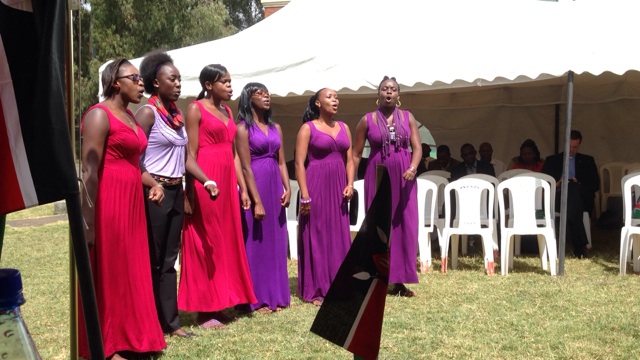
A choir performs at the celebration of a decade of joint ministry between the ELCK and the LCMS.

The LCMS delegation—which included Rev. Dr. Al Collver (LCMS Director for Church Relations and ILC Executive Assistant) and Rev. Shauen Trump (LCMS Missionary in Kenya) in addition to President Harrison—spent the day with Archbishop Obare and the bishops and bishops elect from each of the ELCK’s dioceses. Celebration of the past ten years and planning for the future occupied the day.

Following the event, President Harrison and Dr. Collver departed Kenya for Ethiopia where they will be meeting with representatives of the Ethiopian Evangelical Church Mekane Yesus.

———————

Discussions continue between NALC, LCMS, and LCC

NALC Executive Director Rev. Mark Chavez (NALC), Rev. Larry Vogel (LCMS), Bishop John Bradosky (NALC), Dr. David Wendel (NALC), Dr. James Nestingen (NALC), President Matthew Harrison (LCMS), First Vice-President Herbert Mueller (LCMS), Dr. Joel Lehenbauer (LCMS), Professor John Pless (LCMS), President Robert Bugbee (LCC), Dr. Robert Benne (NALC).

NALC Executive Director Rev. Mark Chavez (NALC), Rev. Larry Vogel (LCMS), Bishop John Bradosky (NALC), Dr. David Wendel (NALC), Dr. James Nestingen (NALC), President Matthew Harrison (LCMS), First Vice-President Herbert Mueller (LCMS), Dr. Joel Lehenbauer (LCMS), Professor John Pless (LCMS), President Robert Bugbee (LCC), Dr. Robert Benne (NALC).

ST. LOUIS, Missouri – From December 16-17, representatives of the North American Lutheran Church (NALC), The Lutheran Church—Missouri Synod (LCMS), and Lutheran Church–Canada (LCC) met for their latest round of semi-annual discussions. The meetings were held at Concordia Seminary in St. Louis, and had as its theme “The Church in the Public Square.” Rev. Dr. Robert Benne of Roanoke College, a NALC theologian, served as guest lecturer for the event.

The participating churches reported on events since the last meeting in May 2013. “The relationships within this group are brotherly and cordial,” noted LCC President Robert Bugbee, “though we all recognize that we still have serious homework to do on matters where we are not in agreement.”

Since a number of the NALC participants had not visited Concordia Seminary before, its president, Rev. Dr. Dale Meyer, hosted a morning tour on the first day of meetings. President Bugbee served as chapel preacher for the seminary community that day, with a sermon entitled “The Coming Lord Kindles Patience” (based on James 5:7-11). Participants in the inter-Lutheran discussions also received an update during the meeting on a theological volume being prepared by LCMS and NALC theologians on Law and Gospel, a project coordinated by Rev Dr. James Nestingen (NALC) and Rev. Prof. John Pless (LCMS).

The NALC, comprised mostly of pastors and congregations who left the Evangelical Lutheran Church in America (ELCA) and the Evangelical Lutheran Church in Canada (ELCIC) over issues of human sexuality, biblical authority, and the nature of the Gospel, has now grown to some 140,000 members in 340 local congregations.

The first official discussion between LCMS and LCC—both members of the International Lutheran Council—and NALC began in December 2011. The next round of discussions is set for June 24-25, 2014 and will take place at LCC’s synodical headquarters in Winnipeg, Manitoba.

———————

Ukranian Lutherans meet in convention

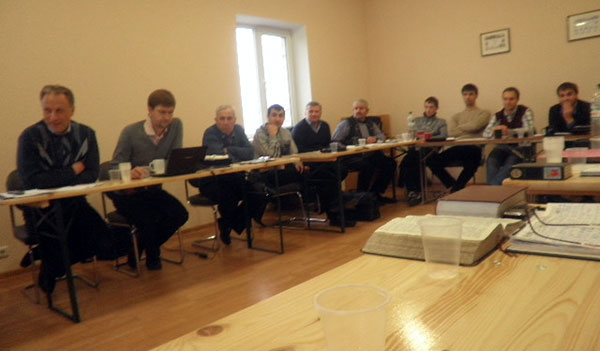
Meetings at SELCU's 2013 convention.

Meetings at SELCU’s 2013 convention.

UKRAINE – The Synod of Evangelical Lutheran Churches in Ukraine (SELCU) held its annual convention November 25-26, 2013 in Odessa, Ukraine. The convention opened in worship, with Bishop Viktor Graefenstein delivering a sermon on 1 Peter 4:10.

SELCU is a young church, having been founded in 1996. It has thirteen congregations, nine pastors, four vicars, and about 300 members. At the convention, each congregation was represented by its pastor and a lay delegate. Three vicars also attended, as did guests from other church bodies.

Among these guests was Bishop Serge Maschewski of the German Evangelical Lutheran Church in the Ukraine (GELCU). Bishop Maschewski was elected a month earlier at GELCU’s October 21-23 convention, also held in Odessa. GELCU has twelve pastors and approximately 3,000 members. It is a member church of the larger Evangelical Lutheran Church in Russia and the Other States (which is affiliated with the Lutheran World Federation).

SELCU is supported in part thanks to the work of mission societies in Germany and Poland. It has also long been supported by Lutheran Church–Canada (LCC), a member church of the International Lutheran Council. In particular, LCC has been instrumental in offering theological training in the Ukraine, having founded Concordia Lutheran Seminary in Odessa in 1998. This past summer, the seminary celebrated its third graduating class: six students who have completed their three-year education program and are now beginning two years of vicarage in SELCU congregations. In total, more than 20 students have graduated from the seminary, with many now serving as pastors in Ukraine and Kazakhstan. A new group of students is scheduled to begin classes in September 2014.

Delegates to SELCU’s convention heard positive reports on the synod’s prison ministry, care for the elderly, and ministry to orphans—programs also supported by LCC. One such report concerned ministry at a large prison near Nikolaev where 1,500 prisoners are housed. SELCU pastors lead services on a regular basis there to groups of about 20 people, rotating between cells to avoid large concentrations. One pastor noted that, in addition to the opportunity to preach the Gospel, “There is always great time for fellowship, dialogue, and tea with the inmates.” The outreach is making a difference in the inmates’ lives, with one pastor noting that “inmates who are released from prison continue faithful to Christ and to the fellowship of a local church.”

Lutheran Church–Canada’s Executive for Missions and Social Ministry, Rev. Dr. Leonardo Neitzel, was present at SELCU’s convention. “We pray that the Lord continue to strengthen our partnership and fellowship in the Gospel,” he said, noting that “through the proclamation and acts of mercy by our brothers and sisters in Ukraine, many are hearing the Gospel of Jesus.”

Additional information on SELCU’s convention is available from The Canadian Lutheran.

———————

Christmas Greetings from the ILC

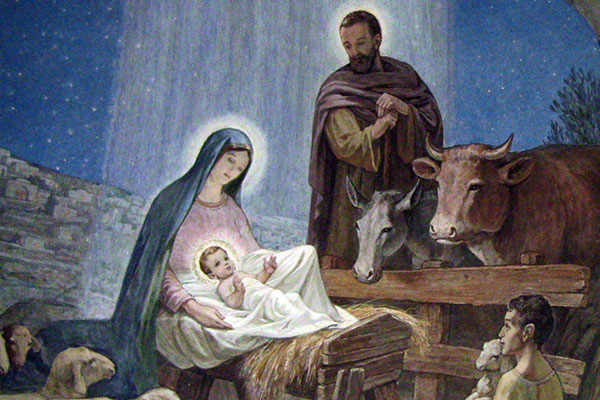
Shepherds-Fields

“The people who walked in darkness have seen a great light; those who lived in a land of deep darkness—on them light has shined. You have multiplied the nation, you have increased its joy… For a child has been born for us, a son given to us; authority rests upon his shoulders; and he is named Wonderful Counselor, Mighty God, Everlasting Father, Prince of Peace” (Isaiah 9:2-3,6).

Dear friends,

Chairman-Voigt

ILC Chairman Hans- Jörg Voigt

In the name of the Executive Committee of the International Lutheran Council (ILC) and its Executive Secretary, I send you warm greetings for the 2013 Christmas season and the coming New Year. Grace and peace be with you.

The Old Testament Prophet Isaiah tells us about “people who walked in darkness.” Looking back to on the past year, I can see a lot of such darkness. My brother from the Coptic Orthodox Church in Germany, Bishop Anba Damian, reported with tears in his eyes the persecutions of Christian congregations in Egypt. So too, we heard of violence against Christian churches in Nigeria; we keep our partner Lutheran Church there in prayer.

We also witnessed the terrible typhoon in the Philippines. As we know, our partner church in that nation has suffered as a result; many of our sisters and brothers have lost their homes and church buildings. The International Lutheran Council is responding to their needs, and I encourage you to support the Philippines along with us.

And there has been more darkness this past year, as conflicts afflict church bodies around the world—conflicts, for example, on the theological and spiritual understanding of family and human sexuality. And the darkness reaches closer still, into our own hearts and minds, as conflicts arise in our own families and congregations.

I remember it clearly: when I was a child I feared the darkness. And in our northern hemisphere, we have darkness for a long period of the year. It made everyone happy to light a candle and kindle a lamp. In the same way, one of my friends speaks of his need to visit his old native country in Africa: “The sun shines there so directly on my head,” as he says.

The prophet Isaiah announced: “The people who walked in darkness have seen a great light; those who lived in a land of deep darkness—on them light has shined.”  In faith, we know that this great light is no one else than our Lord and Savior, Jesus Christ, the Son of God, laying himself down in a lowly manger.

He is burdening himself with our guilt. He is taking our sickness and sufferings upon his shoulders. He is the Truth, soaking in all our struggles. He is the “Wonderful Counselor, Mighty God, Everlasting Father, Prince of Peace.”

In recent days, I saw the picture of a chalice for the Holy Supper. On the base of this chalice, there is a manger with the new born baby and St. Mary and Joseph.

This chalice preaches to us. It reminds us that the great light which shines in the darkness is not far from us. It shines, whenever the Word becomes Flesh during the celebration of the Lord’s Supper. Christmas happens at the altar! The church becomes a barn; the plate and the chalice become a manger. And the pulpit becomes the place for modern-day shepherds to stand and “make known what had been told them about this child” (Luke 2:17). In our churches, the light of Christmas becomes bright in our lives!

We have also seen, in recent times, the bright ministry of the “Prince of Peace” at work in the world. I remember, for example, the reconciliation which took place in the Lutheran Church of the Philippines just over a year ago. I recall also the valuable talks between the executives of the Lutheran World Federation (LWF) and the International Lutheran Council (ILC) which took place Wittenberg just this November. And I think too of the talks between the Roman Catholic Church’s Pontifical Council for Promoting Christian Unity (PCPCU) and the ILC delegation which recently met in Rome—and the upcoming international discussions which will take place as a result of that meeting. These are signs of light amidst the darkness of our world.

May the eternal light, Jesus Christ, make bright your darkness, both now at Christmas as well as throughout the coming new year!

+ Hans-Jörg Voigt, Bishop of the Independent Evangelical Lutheran Church in Germany and Chairman of the International Lutheran Council

———————

100 Years of Confessional Lutheran Witness in China

centennial-china-missions

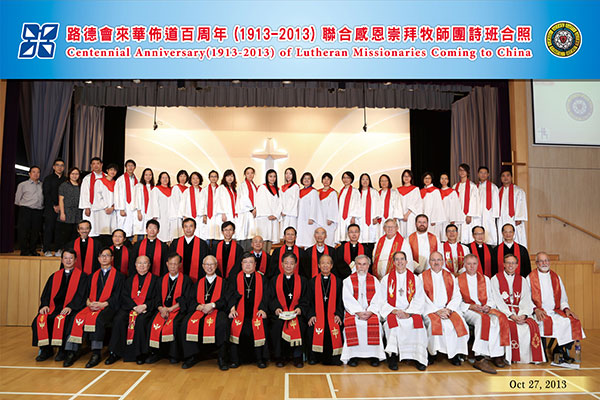
Participants in the 100th anniversary celebrations.

HONG KONG – On October 27, 2013 The Lutheran Church-Hong Kong Synod (LCHKS) celebrated 100 years of confessional Lutheran witness in China at a special service at Concordia Lutheran Church  (Yau Yat Chuen) in Kowloon.

centennial-china-missions-lchks-president

President Allan Yung addresses the assembly.

Numerous Chinese and American pastors participated in the centennial service, with Rev. Dr. Jeff Oschwald of Concordia Seminary (St. Louis, Missouri) preaching. The LCHKS’ President, Rev. Dr. Allan Yung, was also present, bringing greetings to the assembly of 1,200 gathered on the festive occasion. He expressed thanks for those missionaries who established a mission culture in the region, and encouraged the congregations of the LCHKS to continue putting the Great Commission into practice.

The Centennial Anniversary of Lutheran Missionaries Coming to China service recognized Rev. Edward Arndt’s 1913 arrival in China. Rev. Arndt, a pastor of The Lutheran Church—Missouri Synod (LCMS), moved to China one hundred years ago to share the Gospel. His work led to the establishment of churches and schools in the area of Hankou, China, where he passed away in 1929.

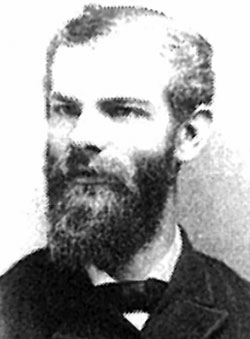
rev-arndt-web

Rev. Edward Arndt

Rev. Arndt was also instrumental in the establishment of The Lutheran Church—Missouri Synod’s mission work in China at large. Following the Chinese Civil War, when Christian missionaries were forced to leave the country, LCMS missionaries moved to Hong Kong to minister to refugees there. That led to the founding of The Lutheran Church-Hong Kong Synod, which in time grew to become a self-governing, independent church body.

Today, The Lutheran Church-Hong Kong Synod has 34 congregations, 8 mission stations, 40 schools, and 43 social service units. It is a member church of the International Lutheran Council.

For more information on the history of Lutheran outreach in China, watch this video from The Lutheran Church-Hong Kong Synod.

Having trouble viewing this video? Click here.

———————

Meetings between Mexican and American Lutherans

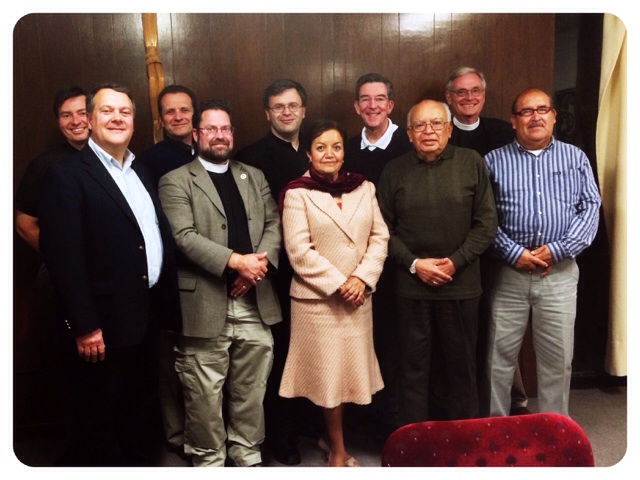
2013-12-lcms-mexico

Back row: Rev. Arthur Rickman, Rev. Daniel McMiller, Rev. Ted Krey, Rev. Dr. Scott Murray, Rev. Dr. Timothy Quill. Front row: Rev. Dr. Lawrence Rast, Maria De Lourdes, President Alvaro Lopez Fajardo, Rev. Samuel Peréz.

MEXICO – Representatives of The Lutheran Church–Missouri Synod (LCMS) met with representatives from the Lutheran Synod of Mexico (SLM) on December 16, 2013 in Mexico City, Mexico. In the early 1980s, the LCMS largely withdrew from work in Mexico. On September 29 of this year, the SLM sent a letter to the LCMS’ President Matthew Harrison asking his church to resume and increase its partnership. The LCMS responded by sending Rev. Arthur Rickman to meet with Mexican church officials.

In the meetings, SLM officials explained the challenges faced their nation and their synod. Currently, the SLM has three ordained pastors, and expresses a need for theological education leading to ordained pastors. The church also expressed a need for increasing its Lutheran identity, and deacons and deaconesses.

“It was delightful to renew relationships that had gone fallow and to encourage a church body that felt orphaned,” Rev. Dr. Scott Murray (Fourth Vice President, LCMS) said of the meetings. “We discussed concrete action items for the future that were mutually agreed to. Through these opportunities we look forward to rebuilding our relationship as we walk together in the body of Christ.”

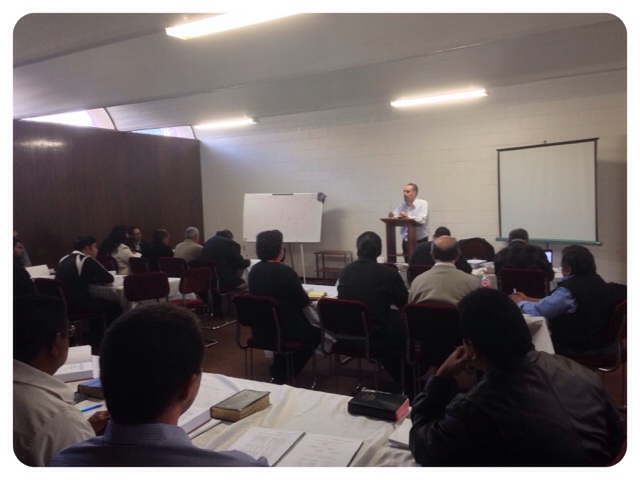
2013-12-lcms-mexico-2

Rev. Roberto Bustamante lectures on Lutheran identity and the theology of the cross.

In cooperation with the Luther Academy (an American organization which promotes confessional Lutheran theology), the LCMS sponsored a conference for SLM pastors and laity. Rev. Roberto Bustamante from Concordia Seminary in Buenos Aries, Argentina, served as lecturer, focusing on Lutheran identity and the theology of the cross.

2013-12-lcms-mexico-3

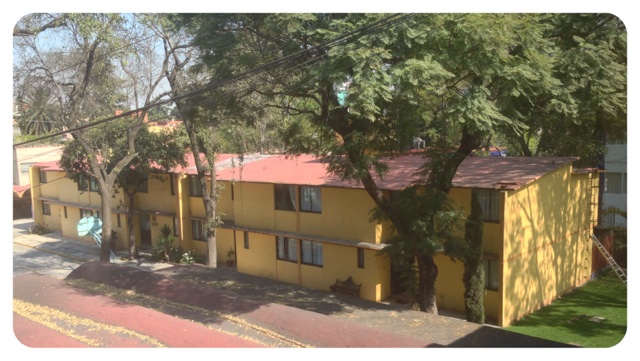
The Lutheran Center in Mexico City.

The conference was held at the Lutheran Center of Mexico City. The Lutheran Center was built in the 1960s largely through the support of the LCMS. As a result of the agreement, the LCMS has a place at the table to discuss how the facility is used to promote Lutheranism in Mexico and Central America. Participants in the event look forward to a closer partnership between the SLM and the LCMS.

Both the SLM and the LCMS are members of the International Lutheran Council (ILC).

——————–

Lutheran Church in Korea elects new President

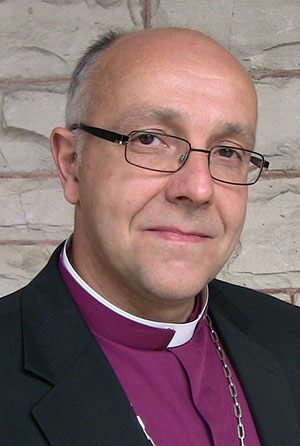
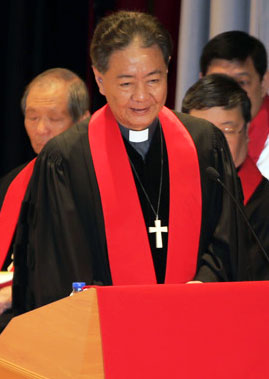
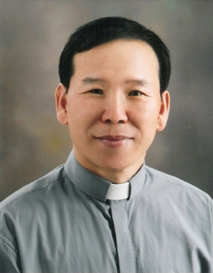
President Chul-Hwan Kim

President Chul-Hwan Kim

KOREA – The Lutheran Church in Korea (LCK) has elected Rev. Dr. Chul-Hwan Kim to a five-year term as President at its national convention in Busan, October 9-10. He was installed November 4, 2013.

Prior to the election, Rev. Dr. Kim served as a pastor of Bethel Church in Seoul and as a professor at the LCK’s Luther University. In addition to his studies in Korea, Dr. Kim completed his S.T.M and Ph.D. at Concordia Seminary (St. Louis, Missouri) and Concordia Lutheran Theological Seminary (Fort Wayne, Indiana), respectively. Dr. Kim was also a contributor to The Lutheran Study Bible, published by Concordia Publishing House in 2009.

“On behalf of the International Lutheran Council (ILC) I wanted to bring you greetings and congratulations on your election as the President of the Lutheran Church in Korea,” wrote Rev. Dr. Albert Collver (ILC Executive Secretary) in a letter to President Kim shortly following his installation. “May Christ richly bless you and your church, providing you with every grace to accomplish the task the Lord has given to you.”

President Kim succeeds Rev. Dr. Hyun-Sub Um, who served as LCK President from 2005-2013. During President Um’s tenure, the LCK hosted the 2009 triennial World Conference of the International Lutheran Council in Seoul.

———————

ILC and LWF hold meetings in Luther’s Wittenberg

ILC-LWF-2013

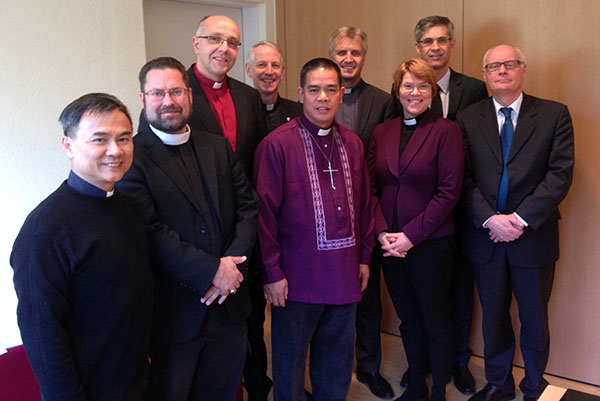
Representatives of the ILC and the LWF meet together in Wittenberg, November 2013.

GERMANY – Executive members of the International Lutheran Council (ILC) and the Lutheran World Federation (LWF) met together in Wittenberg, Germany from November 12-13, 2013 to discuss issues of common interest. Propst Dr. Johann Schneider (Wittenberg-Regional Bishop of the Evangelical Church in Central Germany) hosted the representatives at an opening dinner, November 12.

The LWF was represented by Rev. Martin Junge (General Secretary of the LWF), Rev. Dr. Nicholas Tai (Dean of Lutheran Theological Seminary, Hong Kong), OKR Norbert Denecke (LWF German National Committee), Rev. Dr. Kaisamari Hintikka (LWF Assistant General Secretary for Ecumenical Relations), and Rev. Dr. Carlos Bock (Director of LWF Department for Mission and Development). Representing the ILC were Chairman Hans-Jörg Voigt (Bishop of the Independent Evangelical Lutheran Church in Germany), Rev. Dr. Albert Collver (Executive Secretary of the ILC), Asia World Area Representative Rev. James Cerdeñola (President of the Lutheran Church of the Philippines), and ILC Secretary Gijsbertus van Hattem (President of the Evangelical Lutheran Church in Belgium).

Of particular concern was the recent disaster in the Philippines. Each organization noted that it is encouraging its member churches to support relief efforts and pray for those affected by the typhoon. Representatives also took time to celebrate the reunification of the Lutheran Church of the Philippines. The church had previously suffered 24 years of divisions but took a historic vote to reconcile in October, 2012. The LWF and the ILC committed to “continue to encourage and to pray for the Lutheran Church of the Philippines as it continues to strengthen and grow in its unity.”

The ILC and LWF also discussed their relationship with one another, noting that 11 churches hold dual membership in the two organizations. “Both the LWF and the ILC encouraged these churches to see themselves as a bridge of understanding between these organizations,” notes the official communiqué of the meeting. Recognizing some of the differences that exist between the ILC and the LWF, representatives at the meeting also “engaged in theological discussions regarding their respective positions and agreed that future theological discussion could be beneficial.”

Other business included discussion of both the Wittenberg Project and 500th anniversary commemorations of the Reformation in 2017.

The ILC and LWF first committed to regular meetings together as part of a Memorandum of Understanding signed in 2005. The next ILC-LWF meeting will be hosted by the LWF in Geneva, Switzerland in January 2015.

More information on the November 2013 meeting is available in the official communiqué.

———————

Signup for ILC Updates